

The Proposed Data Center
Explaining how modern computing infrastructure functions and exploring the proposed on-site natural gas power generation, closed-loop cooling configurations, and environmental priorities planned for Cave City.
What Does a Data Center Do?
At its core, a data center is a secure, climate-regulated facility housing computer servers, networked storage systems, and telecommunications equipment. Whenever you use a smartphone app, process an online banking transaction, access medical records, stream video, or run enterprise business software, those digital requests are securely routed to and processed by servers inside a data center.
As society relies increasingly on digital tools, artificial intelligence, and cloud-based services, data center infrastructure has become as vital to everyday commerce as highways, railways, and electrical grids.
Digital Services
Powers cloud storage, mobile applications, navigation systems, e-commerce stores, and telehealth connectivity.
Business Operations
Hosts financial accounting, supply-chain logistics, customer records, and security back-ups for companies worldwide.
Advanced Computing
Executes high-performance modeling, scientific research simulations, and modern machine-learning algorithms.
Natural Gas Turbine Power
A primary consideration in modern data center planning is the energy required to operate computing systems. Cave City Commerce Center is proposing dedicated, on-site natural gas turbines to meet its primary energy requirements.
The power configuration described is proposed and subject to comprehensive engineering design, utility coordination, air-quality reviews, and state permitting. We do not claim this facility is entirely off-grid, has zero emissions, or guarantees unchanged electric bills.
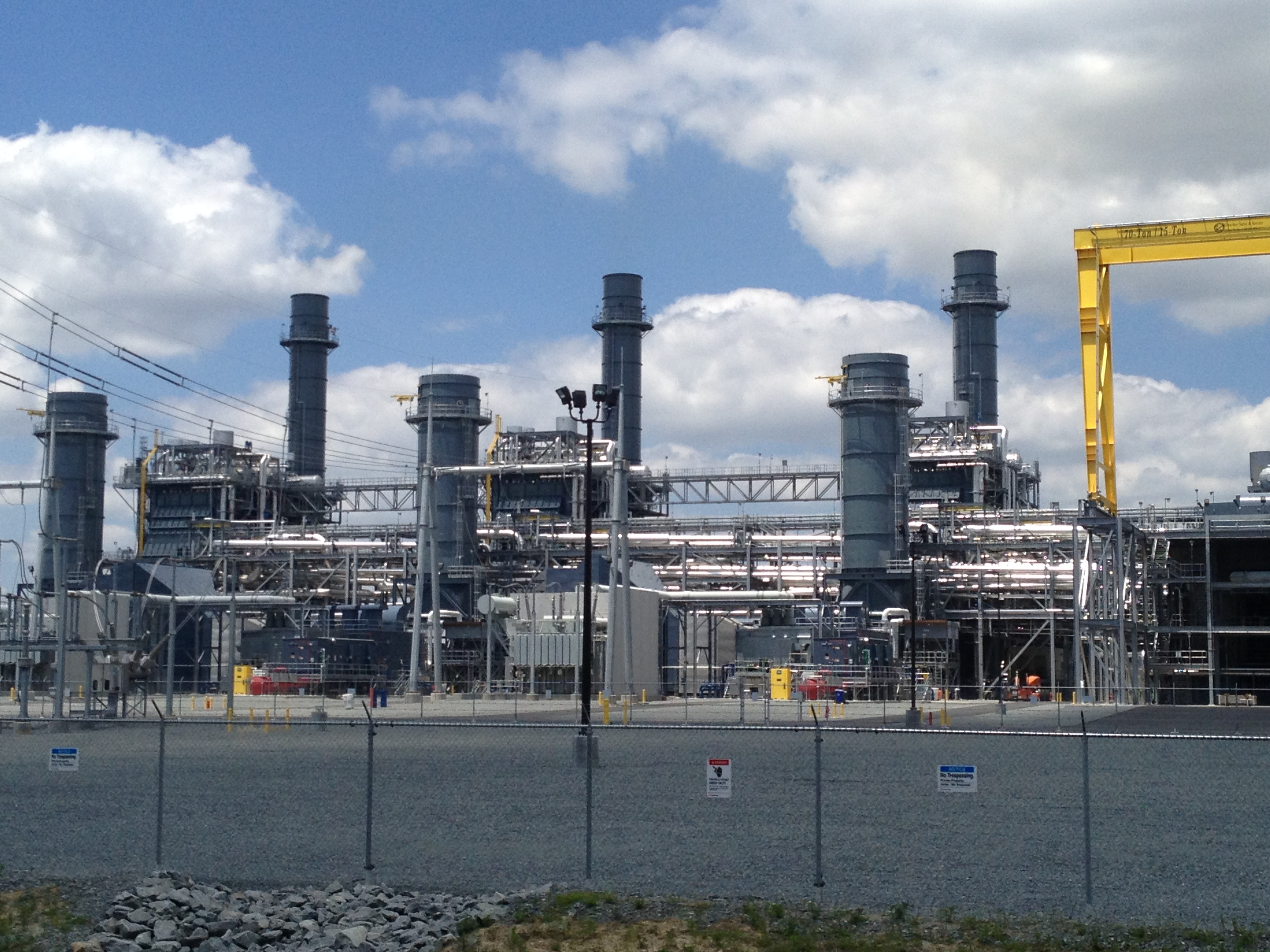
On-site gas turbines generate electricity independently from the local power grid.
Who Uses Natural Gas Turbines?
Natural gas turbines are not an unproven experiment. They are standard, industrial-grade power generation equipment trusted across Kentucky and throughout the United States for mission-critical reliability:
Major regional healthcare centers and hospital systems rely on on-site gas turbines and combined heat-and-power (CHP) systems to guarantee uninterrupted life-safety power during severe weather or grid failures.
Department of Defense installations use dedicated on-site turbine microgrids to ensure continuous base readiness, communications continuity, and self-sufficient energy security.
Higher-education campuses across Kentucky and nationally operate central utility plants powered by gas turbines to supply dependable electricity, heating, and cooling across vast facilities.
Closed-Loop Cooling Architecture
Traditional data centers often use open evaporative cooling towers that consume millions of gallons of water daily through evaporation. Cave City Commerce Center is proposing a closed-loop system designed to protect Kentucky's water resources.
In a closed-loop system, a specialized coolant fluid circulates continuously through sealed, pressurized piping. As the fluid passes the computer servers, it absorbs the heat they generate, carries it to external heat rejection units (such as dry coolers or radiators), releases the heat to the outside air, and returns to repeat the cycle without continuous evaporation.
Actual water requirements depend on the final engineering design, initial filling, periodic maintenance, and standard domestic building needs. We do not claim zero water use, zero discharge, or zero environmental impact.
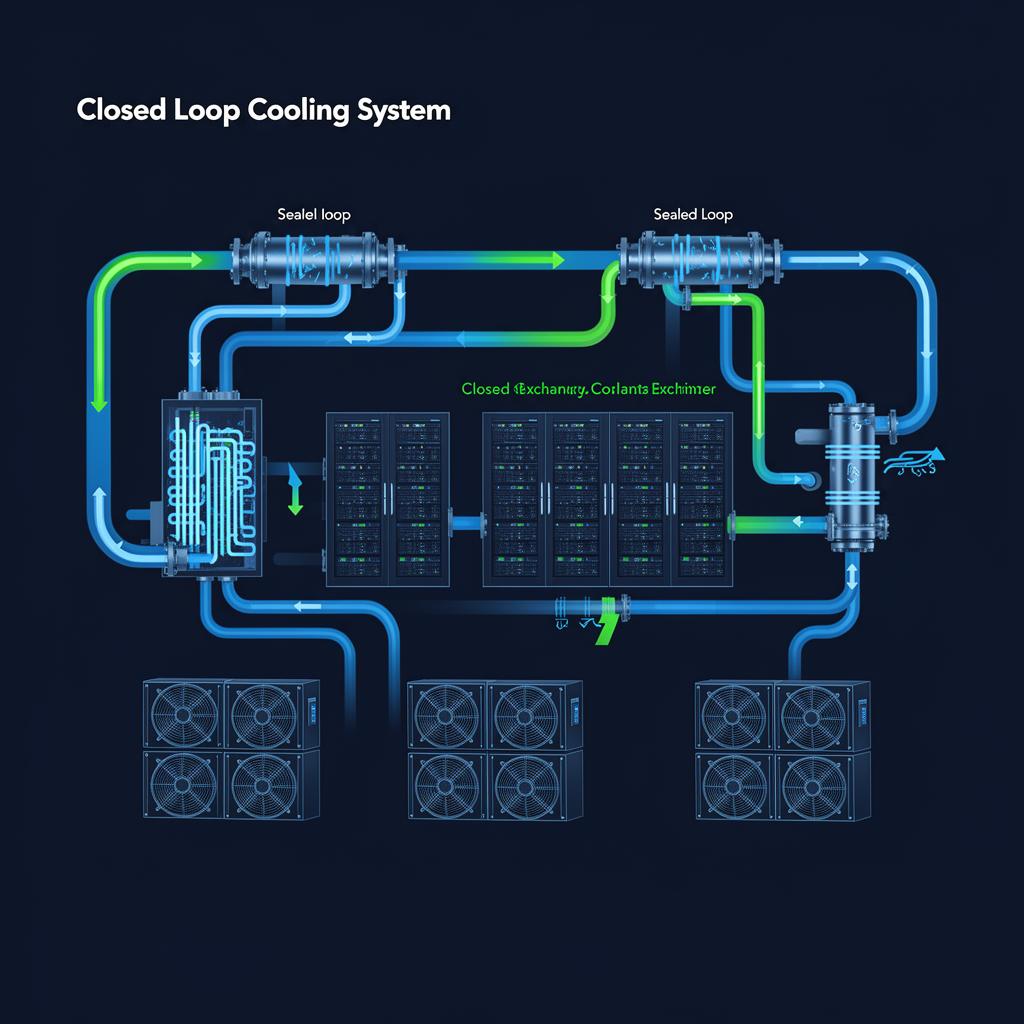
The cooling liquid stays inside sealed pipes. Heat leaves the building, water does not.
Closed-Loop Thermal Transfer Flow
Step-by-step circulation path of heat absorption and rejection
Responsible Development Priorities
Large-scale infrastructure requires a thorough commitment to community stewardship. We present these as active planning priorities that guide site design, environmental engineering, and municipal collaboration.
Noise Management & Sound Buffers
Turbines and cooling equipment will incorporate acoustic enclosures, low-noise fans, silencers, and strategic building orientation to respect neighboring properties and maintain acceptable ambient decibel thresholds.
Landscaping & Visual Berms
Generous setbacks, earthen berms, and native Kentucky tree lines will screen industrial elements, preserving the rural beauty of the surrounding landscape.
Stormwater & Karst Geology
Given the unique subterranean karst geology of south-central Kentucky, stormwater containment basins and geotechnical assessments will be conducted in coordination with environmental specialists.
Traffic Flow Segregation
Dedicated service roads will route industrial traffic directly to primary transportation arteries, keeping local town center streets safe and pedestrian-focused.
Environmental Review
The facility will undergo rigorous environmental evaluation, adhering to all applicable clean air standards, emissions monitoring, and state regulatory requirements.
Public Transparency
Formal studies, engineering models, and municipal filings will be published for public inspection as official reviews occur.
Questions Regarding Data Center Infrastructure?
We welcome dialogue from community members, engineers, and public officials. Check out our Community FAQs or send a direct question.